Cataracts
Cataract & Small Incision Cataract Surgery:
A cataract is a clouding of the eye’s naturally clear lens. When the lens becomes cloudy, light cannot pass through it easily, and vision is blurry. Cataract development is a normal process of aging. However, cataracts can also develop following eye injuries, certain diseases such as diabetes and hypothyroidism, toxins such as regular use of tobacco, alcohol or steroids, and exposure to radiation, x-rays or ultraviolet (UV) light. Heredity can also play a factor in determining when cataracts will begin to form.
There are no medications, eye drops, exercises or glasses that will reverse or prevent cataract formation. Cataract surgery should be considered when changes in your vision interfere with your daily activities, such as the ability to drive safely, read or watch tv comfortably, cook, shop, or see your medication labels. Cataract surgery removes the cloudy lens and replaces it with a clear intraocular lens implant (IOL).
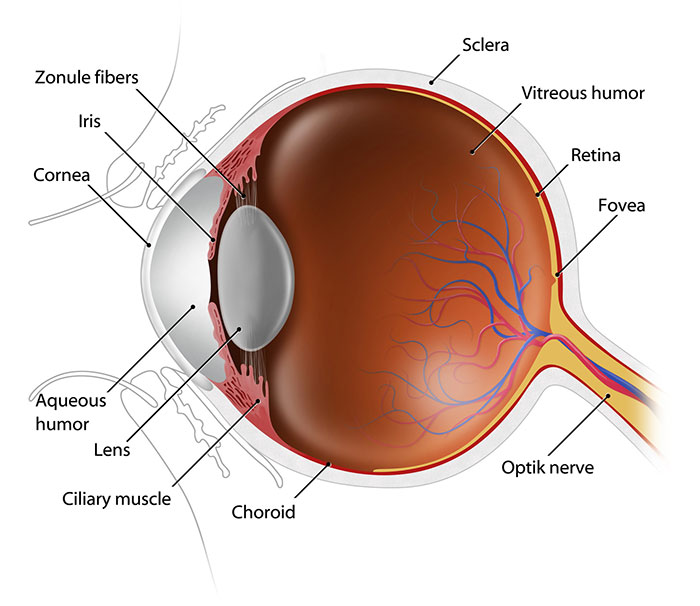
Our doctors have special interest in cataract surgery and use a small incision method of cataract removal. This enables faster recovery time with less risk to our patients. Typically, cataract surgery lasts about 10-15 minutes and is done on an outpatient basis at our own dedicated eye surgery center, InSight Surgery and Laser on Northpointe Drive. During cataract surgery, a very small incision will be made and a probe the size of a pen tip will be used to break up the cataract and gently suction it away. Then a folded intraocular lens implant will be inserted through the small incision. Once inserted, the lens implant unfolds perfectly into place.
You will go home soon after the surgery and relax for the rest of the day. Everyone heals somewhat differently, but many patients find they can resume their everyday activities within a day or two. After the procedure, colors may seem more vibrant and your vision will be more in focus. Restored vision often motivates patients to resume the tasks and hobbies that their cataracts once prevented them from doing – you might even be inspired to take up some new hobbies. And why not? Cataract surgery doesn’t just improve your vision – it opens up a whole world of possibilities.
video: Cataract Surgery with a Standard lens implant
Cataracts and Astigmatism
Astigmatism is caused by the cornea or natural lens in the eye having a different shape than normal. People can also get astigmatism from other eye diseases, eye injuries or after eye surgery.
Normally, the cornea and lens at the front of the eye have an evenly round shape. This helps focus light rays sharply onto the retina so you can see clearly.
With astigmatism, light rays do not bend properly as they enter the front of the eye. Vision is blurry near and far because light rays either fall short of the retina or behind it.
In the past, if you needed to have cataract surgery and had astigmatism, you would still experience blurred and distorted vision after the procedure because the standard lens implant used could not correct corneal astigmatism. The FDA approved a Toric lens implant to correct astigmatism several years ago. The unique design of the Toric lens implant provides significantly improved distance vision. For most patients with astigmatism, a Toric lens implant can minimize the need for distance vision glasses after cataract surgery.
video: Cataract Surgery with a Toric lens implant to correct Astigmatism
Lens Implant Options
A lens implant replaces the eye’s natural lens that is removed during cataract surgery. Lens implants come in different focusing powers, just like prescription eyeglasses. Your eyes will be measured to determine the length of your eye and the curve of your cornea. These measurements are used to set your lens implant focusing power.
The most common type of lens used with cataract surgery is called a monofocal lens implant. This lens implant has one focusing distance. It is set to focus for near vision or distance vision. Many patients have their lens implant set for clear distance vision. They need to wear eyeglasses for reading or close work.
Some lens implants have different focusing powers within the same lens. These are called presbyopia-correcting lens implants. This type of lens implant reduces your dependence on glasses by giving you clear vision for more than one set range of focusing power.
Multifocal Lens Implant
A multifocal lens implant provides both distance and near focus at the same time. This lens implant has different zones set at different powers. A multifocal lens implant can increase your chances for a life that is free of dependence on glasses or contacts after cataract surgery.
video: Cataract Surgery with a Multifocal lens implant
Extended depth-of-focus Lens Implant
Similar to multifocal lens implants, an extended depth-of-focus (EDOF) lens implant can sharpen near and far vision, but with only one corrective zone, which “extends” to cover both distances. This may mean less effort to re-focus between distances. An EDOF lens implant can increase your chances for a life that is free of dependence on glasses or contacts after cataract surgery.
Toric Multifocal Lens Implant
A Toric Multifocal lens implant can provide distance and near vision correction, as well as correction of astigmatism. A Toric Multifocal lens implant can increase your chances for a life that is free of dependence on glasses or contacts after cataract surgery.
video: Cataract Surgery with a Multifocal Toric lens implant (to correct astigmatism and near vision)
Are there any special risks?
All surgery has risk involved, and cataract surgery with presbyopia correcting lenses is no exception. Surgery with presbyopia correcting lens implants carries all of the same risks as standard cataract surgery. In addition, some patients with accommodating lens implants can experience glare. Some patients with multifocal lens implants notice glare or halos around light. Most patients who do experience these symptoms find that they do fade as their brain adjusts to the new lens implant, however a small percentage of patients can find them bothersome. Some patients with multifocal lens implants may also find that they need more light to read. Patients with certain eye diseases may not be good candidates for certain types of lens implants. While these technologies work well, there is still a chance you may need glasses or contacts for some or all activities after surgery. There are additional costs with these types of lens implants that are not covered by traditional medical insurance.
While there are risks involved and these lens implants are not for every patient, the majority of patients with presbyopia correcting lens implants are able to lead a life without the help of glasses or contacts. Most patients who selected these types of lens implants for their eyes would make the same choice again. Ask us if you may be a good candidate.
The decision to have cataract surgery is an important one that only you can make. The goal of any vision restoration procedure is to improve your vision. Serious complications with cataract surgery are extremely rare. It is a safe, effective and permanent procedure, but like any surgical procedure, it does have some risks. Going to an eye specialist experienced with the procedure can significantly minimize the risks involved with cataract surgery. However, we cannot guarantee you will have the results you desire.
YAG Laser Capsulotomy
During modern cataract surgery, an intraocular lens implant is inserted in the eye to replace the cloudy cataract. There is a protective membrane which remains behind the implant called the posterior capsule. In approximately 30-40% of patients, this posterior capsule can become cloudy months or years after the original surgery, causing blurry vision and glare symptoms. This is referred to as a secondary membrane.
Fortunately, the secondary membrane can be treated on an outpatient basis with the YAG laser.
After applying topical anesthetic drops and a special lens to the eye, the patient is seated at the YAG laser which is then used to create an opening in the cloudy posterior capsule as shown. This results in almost immediate improvement in vision. The chance of any complication related to the YAG laser treatment is reported to be less than 1 percent.
video: YAG Capsulotomy after Cataract Surgery